





Entry to School
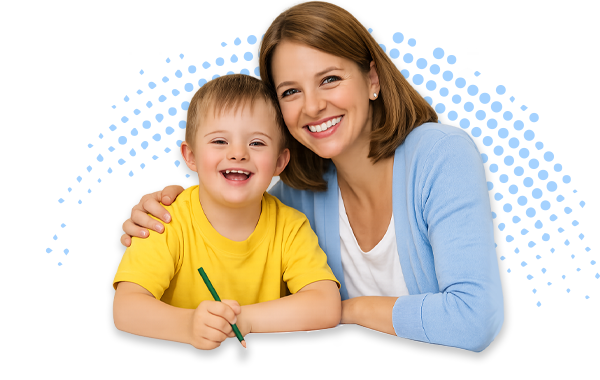
The goal of planning for entry to school is to support children in their adjustment to the school community, become lifelong learners, and develop a positive sense of their individual learning style within the school environment. A positive entry to school plan maximizes a child’s potential for sustained achievement and fulfillment throughout their school career. For children with special needs, entry to school is more complex and requires careful planning and coordination. An entry-to-school plan should provide adequate time for children and parents to learn and practice the skills and routines that will facilitate a smooth move from preschool to school.
The York Catholic District School Board, in partnership with key community resources such as Early Intervention Services, has established an Early Facilitation Process. This is a short-term, specialized transition process specifically designed for high-needs preschool children who are enrolling in an elementary school for the first time.
See Resources Below
Transition from Elementary to Secondary School
“The transition from elementary to secondary school is among the most challenging periods of adolescence. … Effective transition planning to secondary school begins for all students in Grade 7 and continues into and sometimes beyond Grade 9. A smooth transition contributes to a strong foundation for success in secondary school and beyond.” Creating Pathways to Success (p. 21)
To support students with special education needs who are planning for a successful transition from elementary to secondary school, educators need to provide these students with information about the following:
- the requirements for the Ontario Secondary School Diploma (OSSD), the Ontario Secondary School Certificate (OSSC), or the Certificate of Accomplishment, where appropriate;
- the Ontario Student Transcript (OST);
- types of courses offered, and how best to design their personal secondary school program based on their interests, strengths, needs, and aspirations;
- specialized programs and board-wide programs, extracurricular activities, and additional support programs;
- strategies for completing the community involvement requirement;
- the full range of postsecondary opportunities (apprenticeship training, college, community living, university, and the workplace);
- the education and career/life planning process and strategies for the effective use of education and career/life planning resources.